Seven Second Version: Cultures that build yurts have a word for the most important structural piece. The center ring that holds everything together. In Alaska, winter tends to show you what yours is.
Winter Teaches You What “Existing” Really Means.
I was catching up with a client the other day. A couple I helped buy a home at the end of summer. I asked a simple question:
“How’d your first winter go?”
They paused, then said something I’ve heard more than once:
“We didn’t realize how hard it is just to exist here in the winter.”
That’s Alaska. There’s a reason we have terms like Cheechako (newcomer) and Sourdough (seasoned Alaskan). You don’t become the latter without earning it. Lived in Alaska now for 6 years and I still won’t presume to claim the sourdough title.
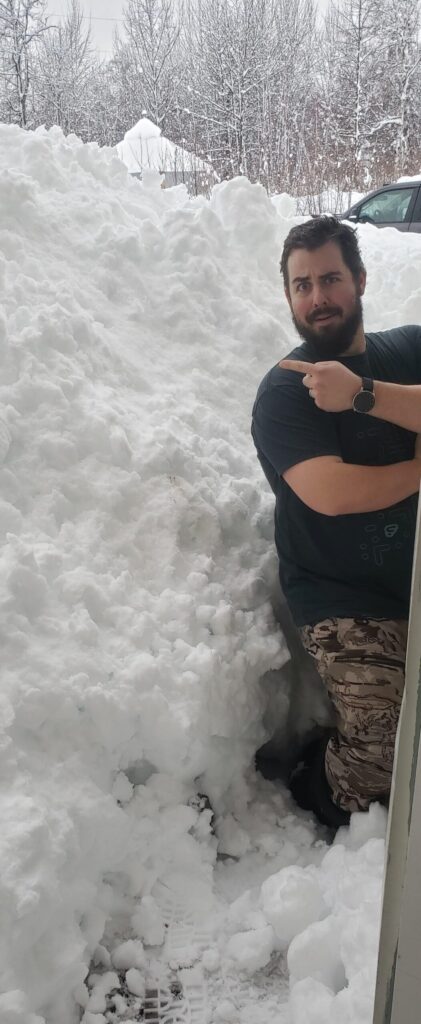
Another friend, now on their second winter, said something similar: “Even the simple things can be a challenge. It takes a lot just to exist.”
And that’s just talking about Southcentral Alaska.
The Windy One
As I write this in April 2026, looking back at the winter of 2025… it was a windy one.
Five straight weeks of hurricane-force winds. Not a storm here and there. Back to back storms with only 1 to 2 days of breaks with winds finally down to sustained at 20 mph in between. Weeks of wind. A week of power being out the first round.
The remainder of the winter after Wind-cember, gusts at our place regularly pushed past 70 mph. I lost track of how many times. Enough to strip the little bit of snow we got between the wind storms off the ground and stack it into 8 foot drifts in the trees.
The good news? The yurt stood. The reality? Writing blog posts wasn’t exactly top of mind.
That season reminded me of an earlier one, right where we left off in the last blog post. The winter of 2020 to 2021. If I sound like an old-timer remembering some memorable event, hey, everyone who lived in the Matsu earned the right.
That was a snowy winter. It was also a windy winter.
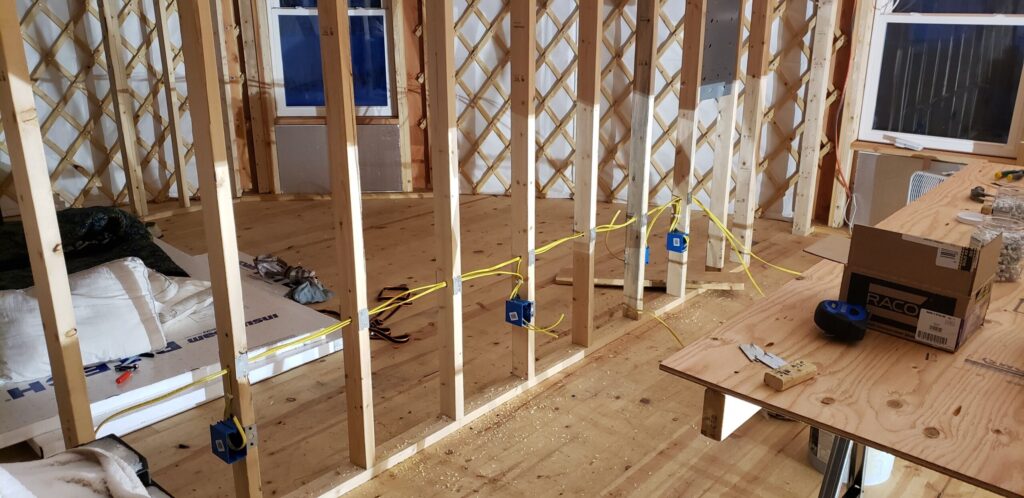
I was in the middle of running electrical under and into the yurt. Gloves on, gloves off. Trying to do fine work in the cold. Burning scrap wood in the stove just to take the edge off. Thick rigid plastic would shatter if you looked at it wrong. Every task took longer. Every step cost more than it should have. Again.
The Storm of ‘21
Then came the New Year’s Day windstorm of 2021. When I say day, that is just when it started. It went on for over a week.
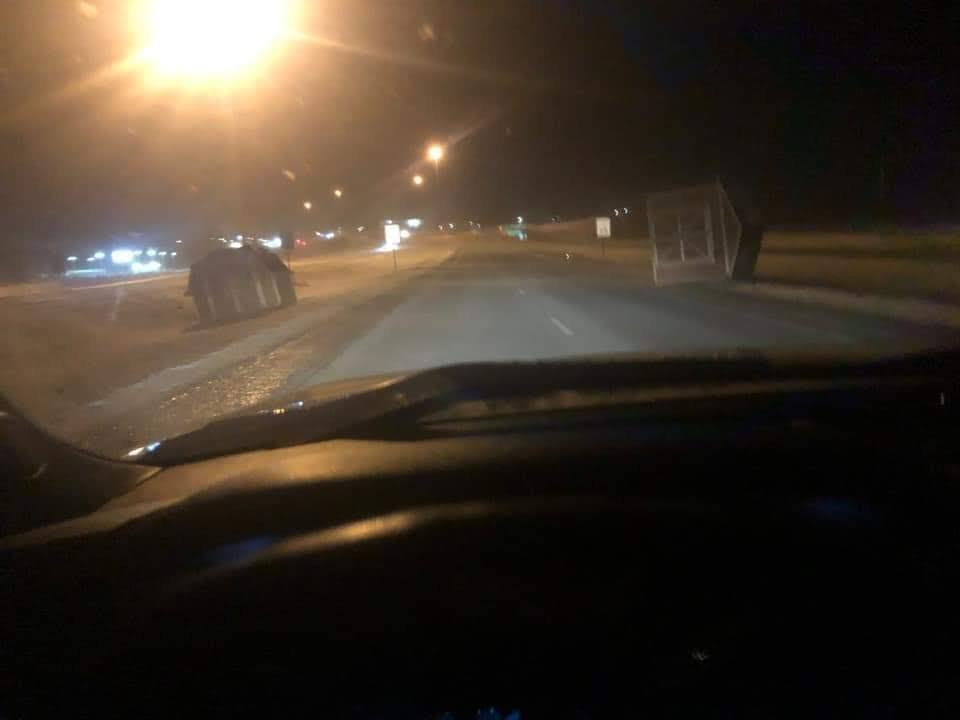
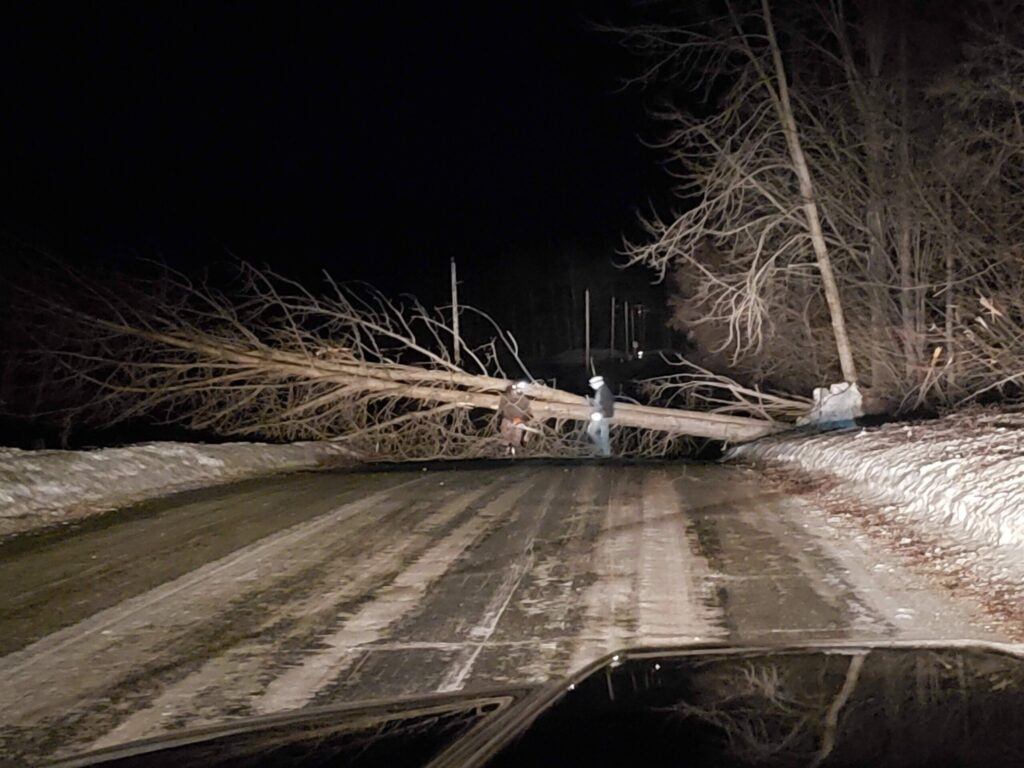
People still talk about it up here. Everyone has a different perspective on how high the winds were.
Palmer airport officially recorded 93 mph. Some reports pushed toward 130 mph. All I know is my weather station maxes out over 100 and it sat there regularly reading MAX.
Some places have tumbleweeds. We had tumblesheds. Roofs ripped off. RIP Wasilla KFC. Pipes burst in houses and stores. One of the local grocery stores in Palmer looked like it had a frozen waterfall coming out of its roof and someone got in trouble for trying to ice climb it. Power was out for days. Boy am I glad we have a wood stove.
The Yurt Holds
At the time, we were still living across the street in the apartment we had fixed up. I had been busy on the yurt and being with my family after lots of yurt focused work over the summer. That is my excuse for the inexcusable in Alaska. Not putting up nearly enough seasoned wood.
A neighbor and a few downed beetle kill spruce trees saved my bacon, or at least allowed us to cook bacon on top of the wood stove and keep my family from freezing.
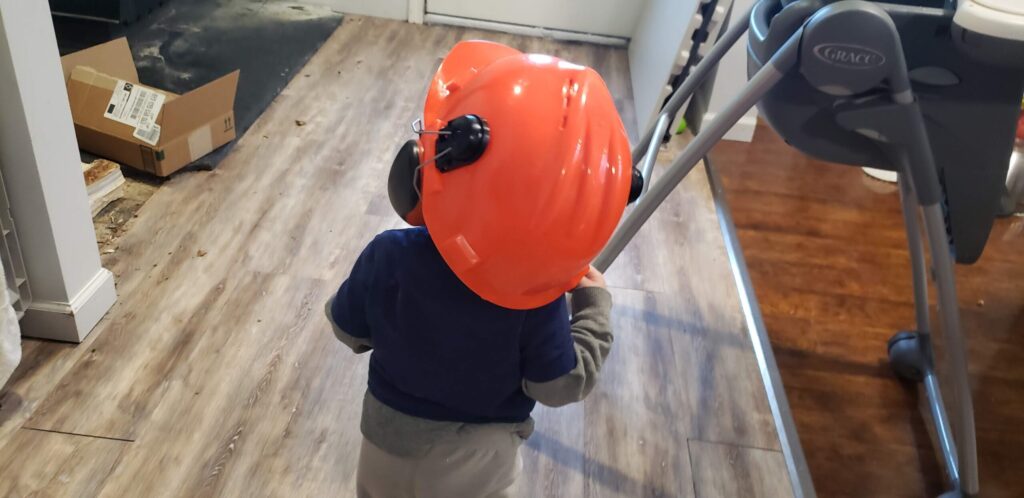
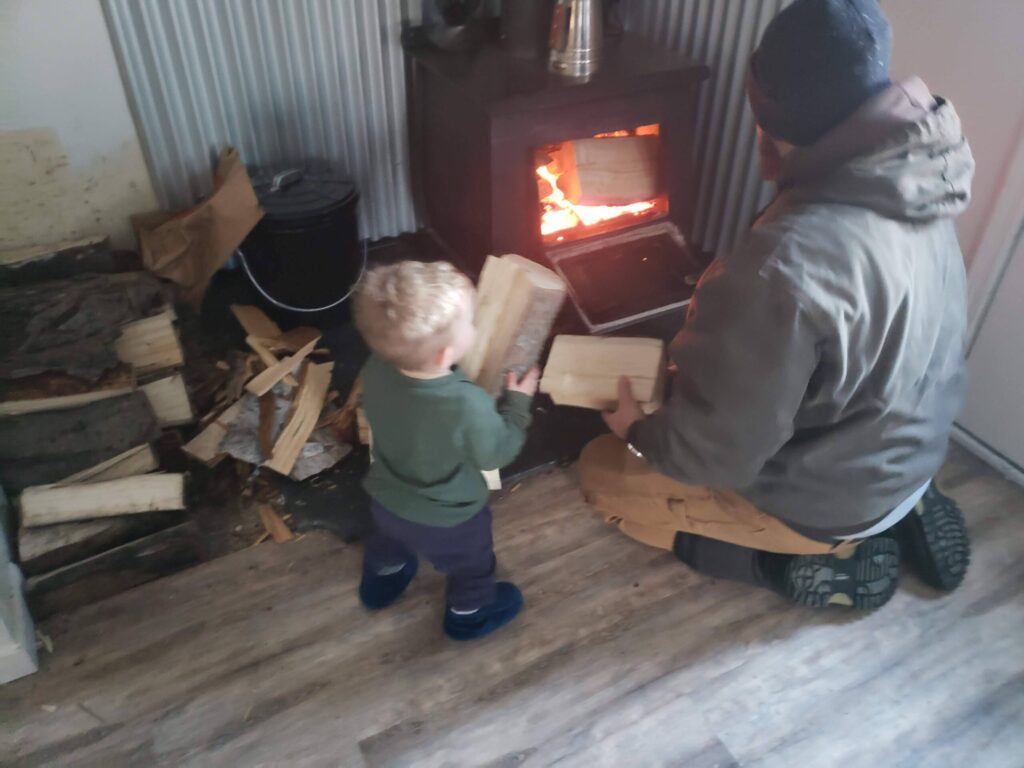
I faced a childhood fear of the dreaded “cougar” in the dark one night while watching sheet metal torn off a building fly inches in front of my face like razor blades.
But you’re here for the yurt. “The yurt man, what about the yurt?!”
The yurt stood. Right in the path of the wind. Funnelled down a valley. On the edge of a bluff. No windbreak. Taking it straight off the glacier.
The only failure? One plexiglass panel in the top ring. There is no real English word for this absolutely crucial component of a yurt.
Shanyrak (Kazakh: Шаңырақ). The upper, circular opening of a traditional Kazakh yurt. It represents family, home, and unity. It is also one of the key structural components that allows a yurt to withstand extreme wind by distributing force across the entire structure.
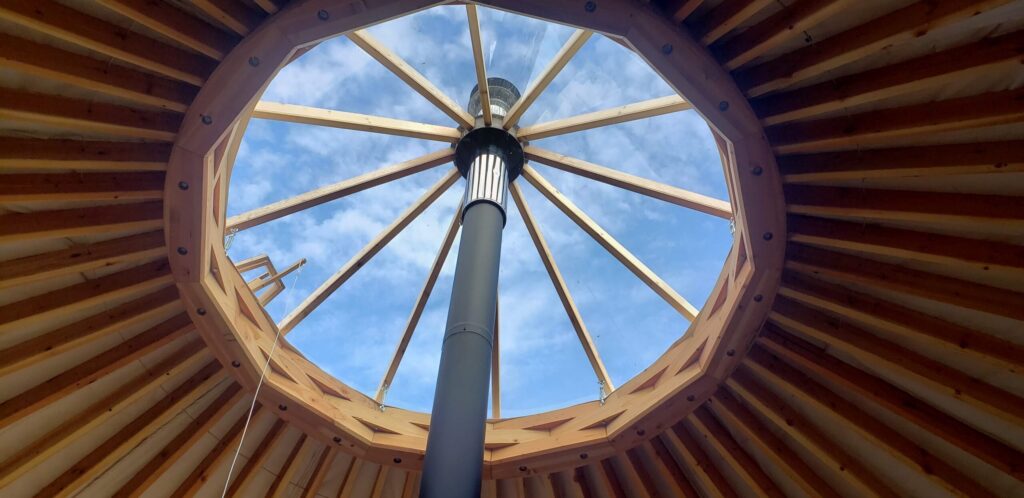
Kazakh yurts don’t typically have plexiglass in them, but mine did. And one panel had a small crack from the beginning. The wind found it.
I went over during the storm to check on the yurt. “Went” is generous. I was getting blown over more than walking. One panel way up high on the shanyrak was gone.
I did what any sane, reasonable person would do in the middle of an epic windstorm. I climbed on top of the yurt to inspect the damage. What was left looked like shattered safety glass. Tiny fragments still clinging to a single screw. I slid back down with a rope, still thankful to the Lord because it was a dumb thing to do.
Once the storm died down-ish, my brother-in-law climbed up on the roof and stapled plastic over the hole with some vapor barrier I had on hand. Not pretty. But it worked.
Not Finished, Still Living
Why was my brother-in-law climbing on the roof to do this you ask? Around that same time, my brother-in-law moved in. To the yurt.
Yes, you read that correctly.
Middle of winter. Unfinished yurt. Minimal skirting. Max wind induced convective heat loss. No real interior walls, just bare studs.
We threw in some rockwool insulation to “enclose” one bedroom, vapor barrier, and moving blankets held up with spring clamps for a “door” to keep an electric space heater going and keep it above-ish freezing instead of negative 20.
And somehow… That was still a better option than where he had been renting in Meadow Lakes. That was a rough winter, he moved to South Carolina after that summer, got married and now owns and operates a business. If you know someone that lives in the greater Greenville, SC area and they want someone to help with property maintenance that has the grit to survive an Alaskan winter in an unheated, unfinished yurt check out Upstate Property Renewal.
Slowing Down to Do It Right
I kept chipping away at electrical where I could while also trying to give my brother-in-law some space to live in the yurt without constant interruptions. We ended up with some insulation in the interior walls. Originally just trying to make the space livable. It was a longer term intent to use it in those walls as soundproofing so hey, at least one more piece to check off the list.
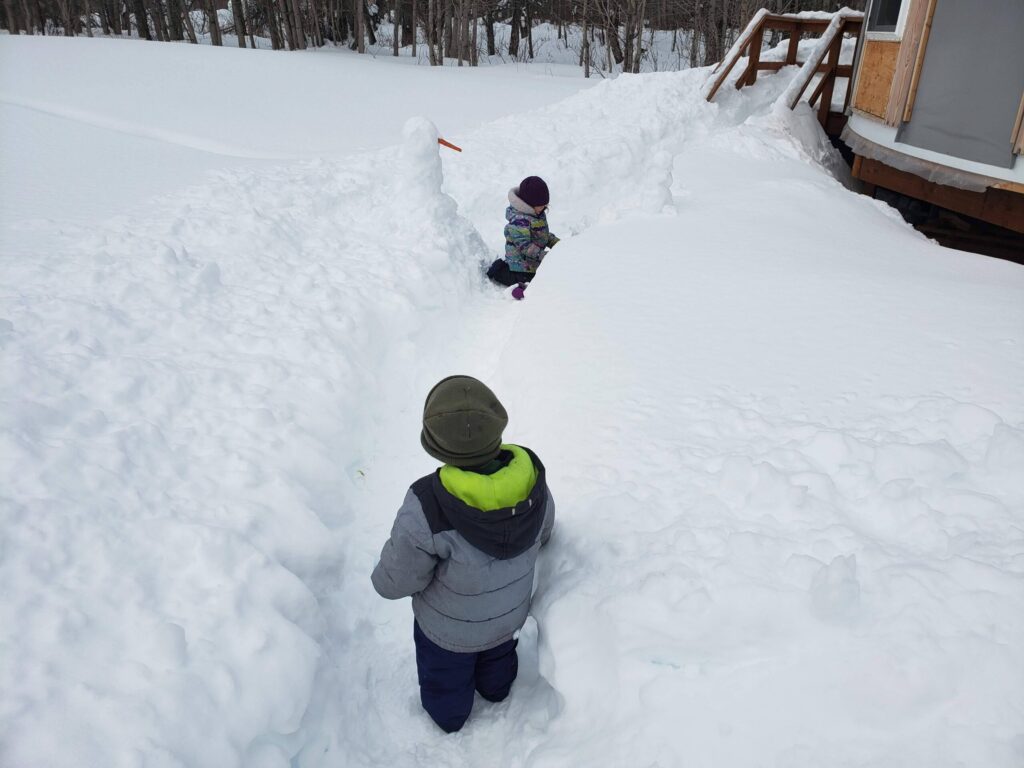
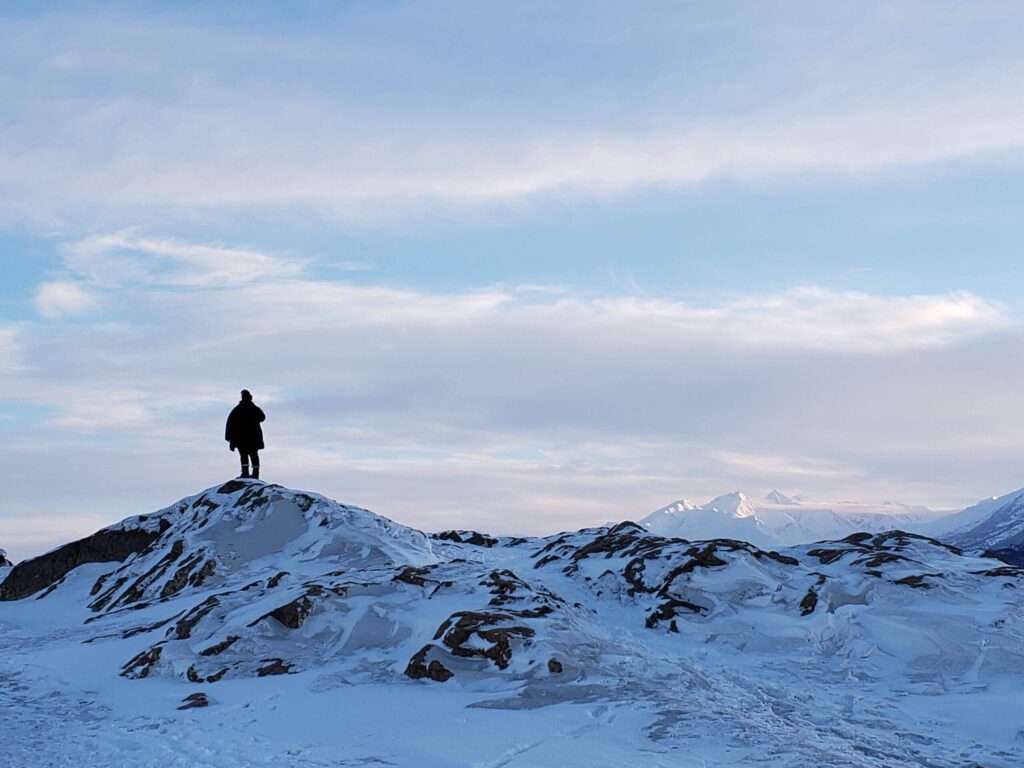
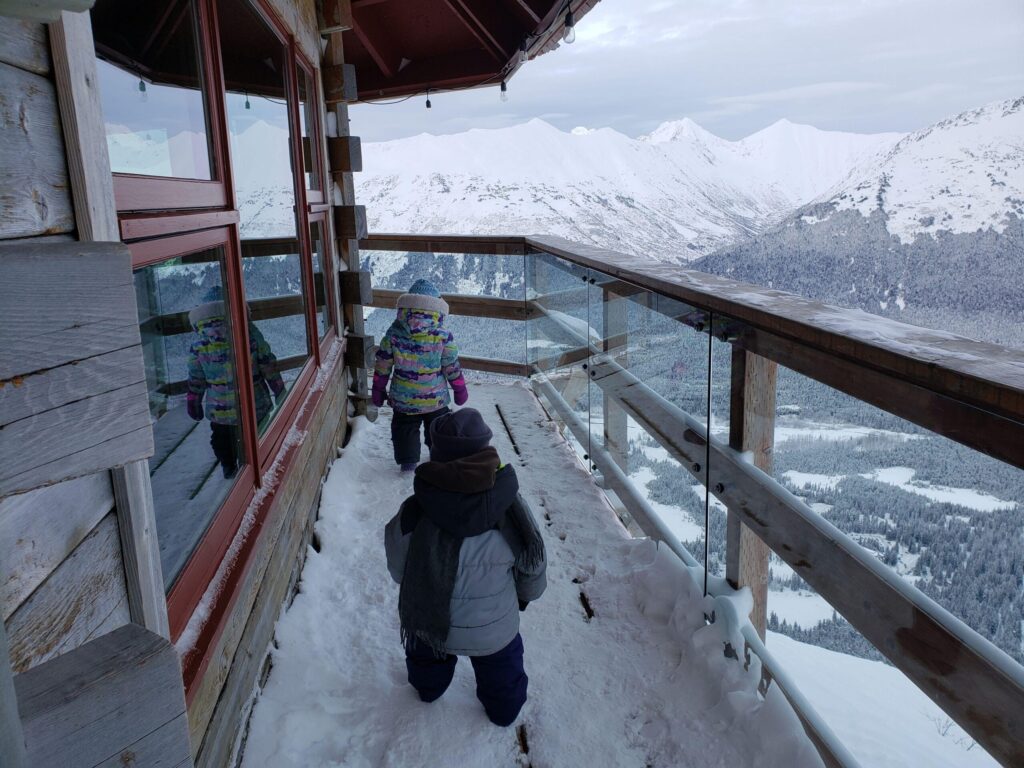
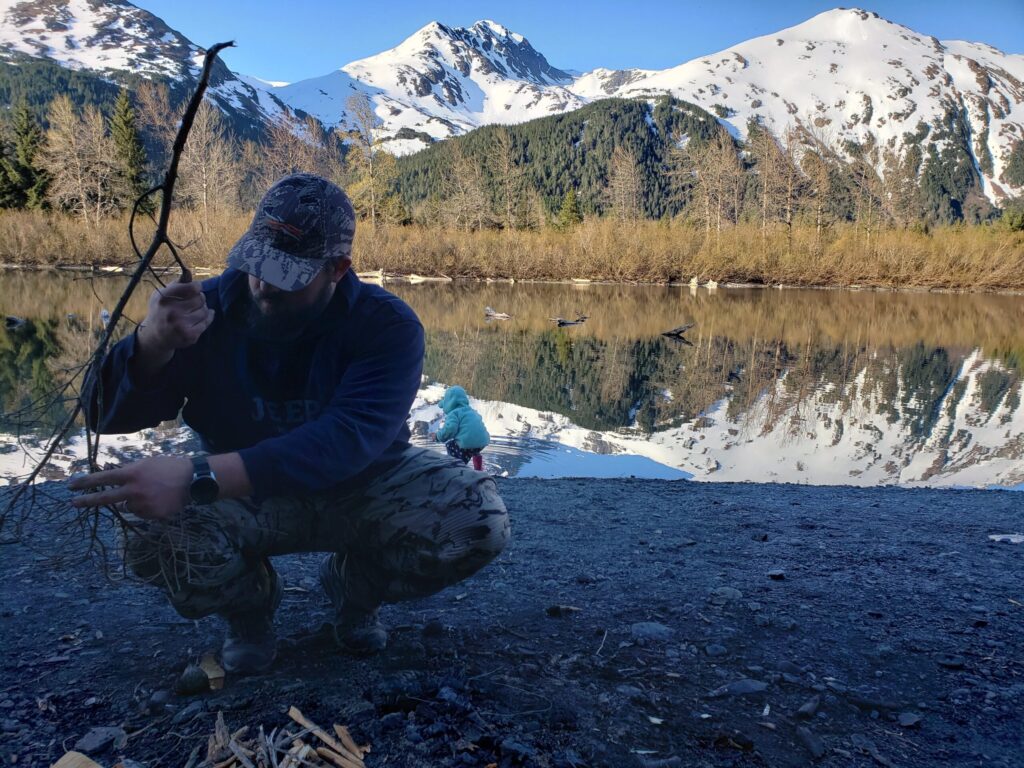
Progress slowed. Priorities shifted. We made space for family. We did some adventuring on the cheap. And we started saving intentionally for what was coming next. A well. A deep well.
What Winter Teaches
Every winter in Alaska resets your expectations.
You realize:
- Simple things aren’t always simple
- Progress isn’t linear
- And “existing” takes effort
But as we remind ourselves in our family, hard isn’t the same as bad.
Winter exposes things. Weak systems. Bad assumptions. Thin margins. In your build. In your plans. In you.
And that’s not a problem. It’s a gift, if you let it be.
That шаңырақ I mentioned earlier. The center ring of the yurt.
It’s what everything ties into. All the outward pressure. All the force from the wind. It gets distributed through that one point across the entire structure. That’s why the yurt stood in that storm. Not because the wind wasn’t strong. Because the structure was right.
We all need a center like that. Without it, things in our life will fall over and come apart. Some people will say that the center is family. Money. Happiness. Others say grit. Determination. Resilience.
Those matter. But they are not strong enough to carry everything.
Jesus is the center of mine. The шаңырақ of my life. The place everything ties in. The place the weight gets carried.
Because when the pressure hits, and it will, if everything isn’t anchored into something that can actually hold it, things don’t just get hard. They start to come apart.
Winter in Alaska doesn’t just test your build. It reveals what your life is actually built on.
What is the шаңырақ of your life?
What’s Next on the Yurtstead
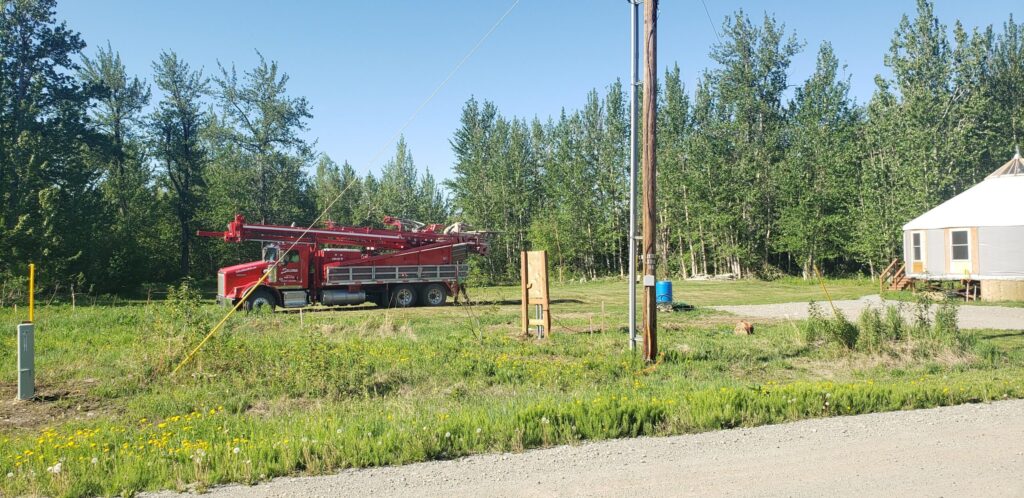
We had a shell. We had (some) heat. What we didn’t have yet was water.
Next up:
A very deep well.
A very expensive well.
And a whole new set of lessons.
Nice to see another installment. After 41 years I think I may be approaching Sourdough status. the winter winds this year certainly contributed to new knowledge in riding out an epic windstorm(s).
Beautifully written – made me laugh but also brought tears to your momma’s eyes as you tied it all together – Jesus is the center – he holds us together in life and through its stormy gails.