
Seven-Second Summary: Being self-sufficient isn’t the same as being self-reliant, it’s better. Sometimes the real strength is letting someone else run the excavator.
Anticipation Builds
By late August the midnight sun was fading, and for the first time since spring, lights inside the yurt actually made sense. Excitement was running high—Nana and Pappy were flying up to Alaska to meet their new grandson for the very first time. We couldn’t wait to have them with us, to see the Yurtstead, and to share this new season of life together.
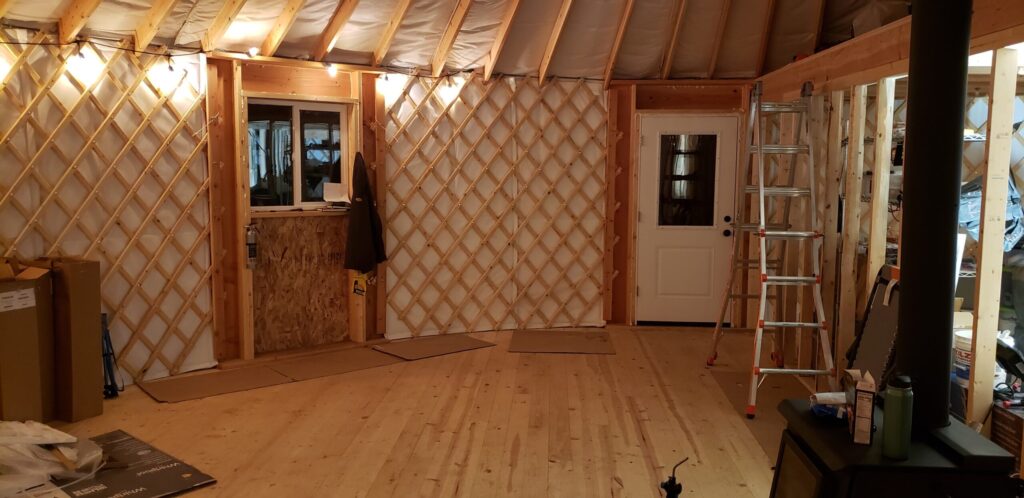
A bit over a year earlier—before we ever bought the property—we had walked the land with them. It was overgrown, wild, and undeveloped. I carried a freshly cut sapling like a staff, using it to beat back brush, cow parsnip, and devil’s club just to make our way toward the back of the property. As we shared our vision, I think they smiled while humoring their son’s crazy idea. To have them returning now, not to wander through brush and alder tangles, but to step into a warm yurt with a grandson in their arms made it all the more special. Well… not quite warm—but we’ll get to that.
Our First Overnight
Before they arrived, we managed to sneak in an overnight of our own. It was partly a test run, partly a moment to soak it in for ourselves before family filled the space.
Our very first meal in the yurt was pasta with red sauce—which our toddler promptly smeared across the floor between bites. We didn’t even have a table yet, so we ate sitting right there on the 2×6 tongue and groove floor that would eventually be our finished flooring.
It’s a choice I both regret and don’t regret—but ask me again when I tell the story of sanding it near the end of the build. And just to be clear: the regret is about the flooring, not the meal. That was homemade pasta—you don’t regret that one.
Every couple of minutes our toddler would hop up, red sauce still on her cheeks, to point at the woodstove blazing merrily away—as if to remind us that we’d finally made it. That night gave us our very first taste of what it might feel like to live in the yurt once it was finished.
Nana and Pappy Arrive
When Nana and Pappy arrived, they split their stay between an Airbnb and a few adventurous nights in the yurt. We had the woodstove in place, but no insulation under the floor or beneath the windows. Even in August, the nights had bite—and that year, 2021, September brought snow.
They bundled up, laughed it off, and stepped right into the adventure with us.
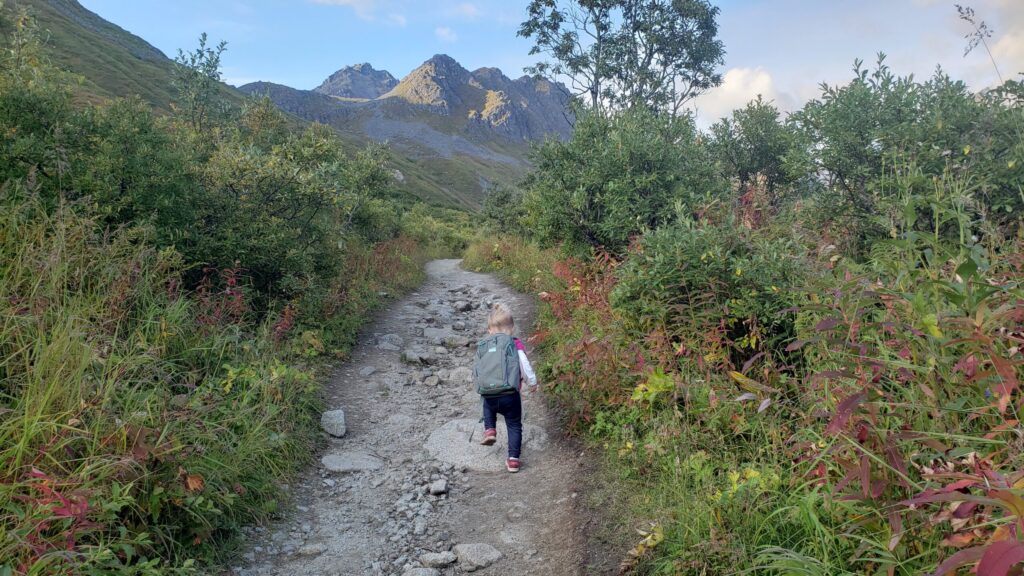
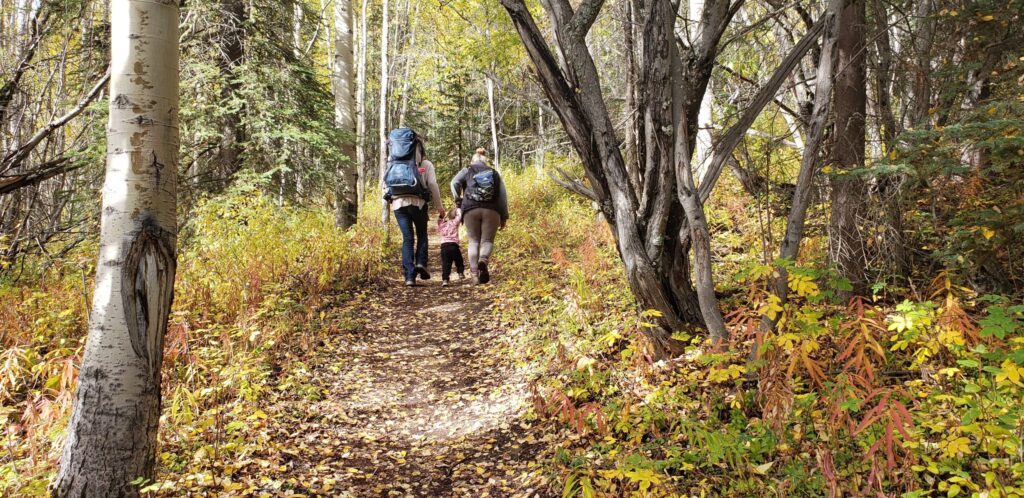
For a week we enjoyed and treasured the time with them. The kids soaked up every moment with their grandparents. We picked blueberries in Hatcher Pass—the kind of outing that stains little fingers purple and fills buckets slowly because more berries end up in mouths than containers.
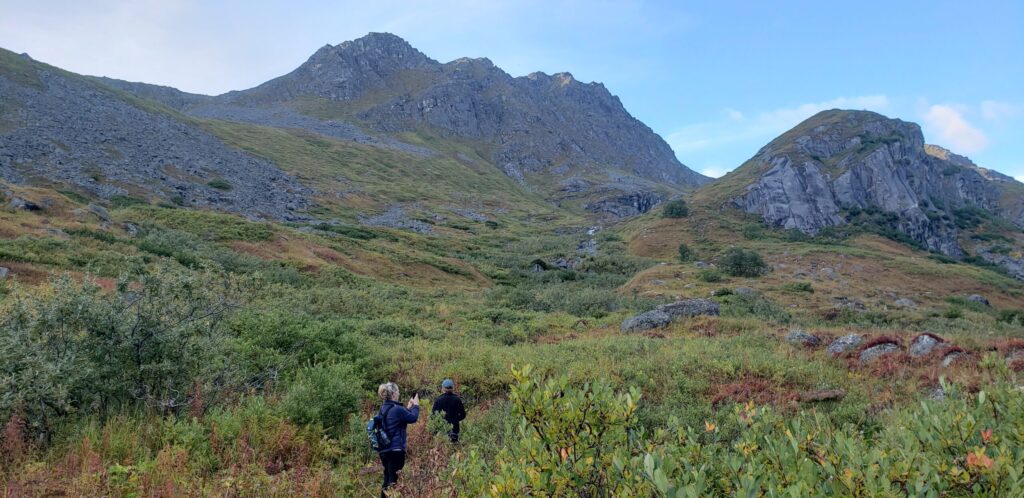
We wandered the Alaska State Fair, the kids tugging on Pappy’s hand as Nana marveled at giant vegetables. We hiked through late-summer wildflowers, their final burst of color before frost, and ended evenings with steaming mugs of tea, grateful for warmth and company.
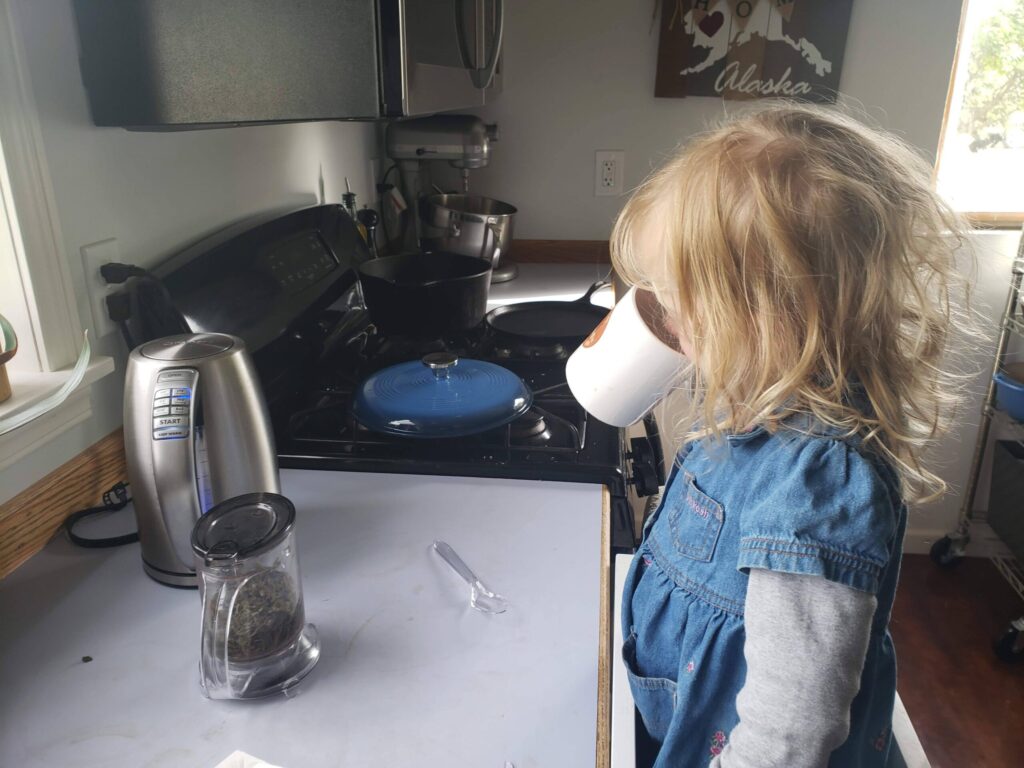
Those days were filled with laughter and memory-making, the kind of joy that overshadows tongue and groove floors, insulation, or conduit.

Winter Comes Quickly
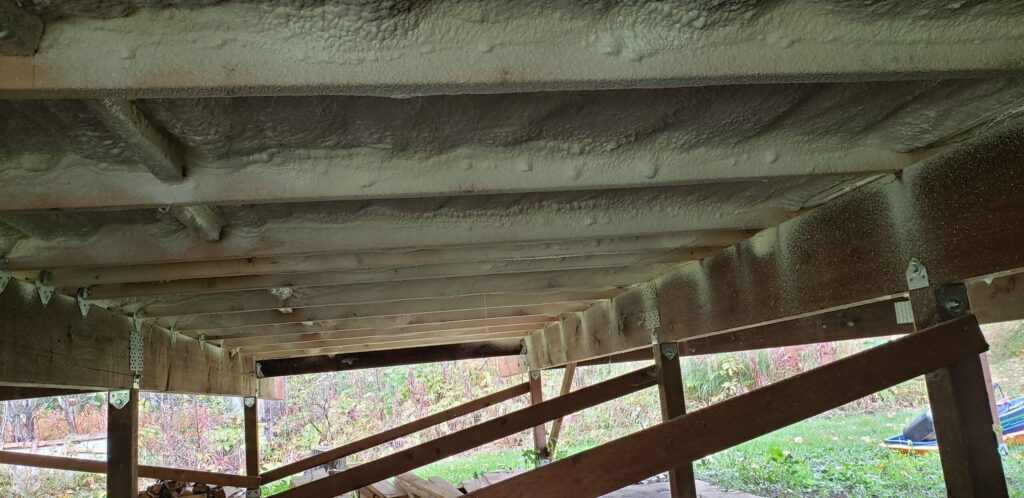
But eventually, reality came knocking. After Nana and Pappy left, I called Alaska Enertek to spray-foam under the yurt floor.
That one move did double duty: it sealed in warmth for the winter and locked the platform together structurally. Once it was done—and after I added extra bracing—the whole yurt felt sturdier, with noticeably less sway when kids went sprinting across the floor.

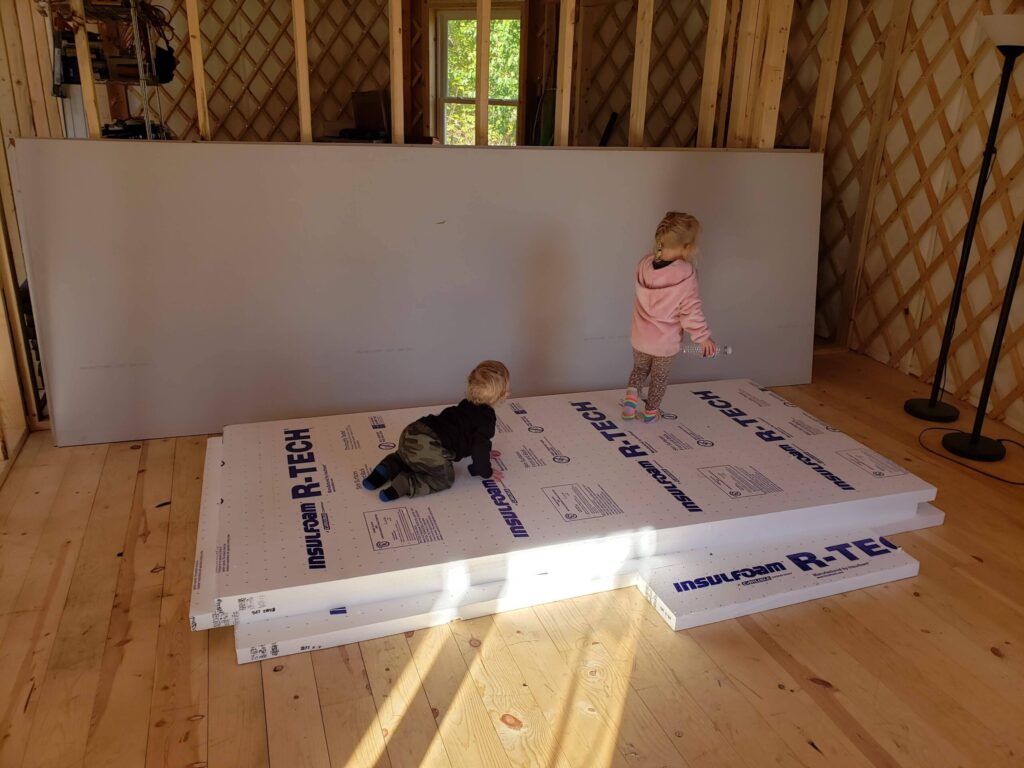
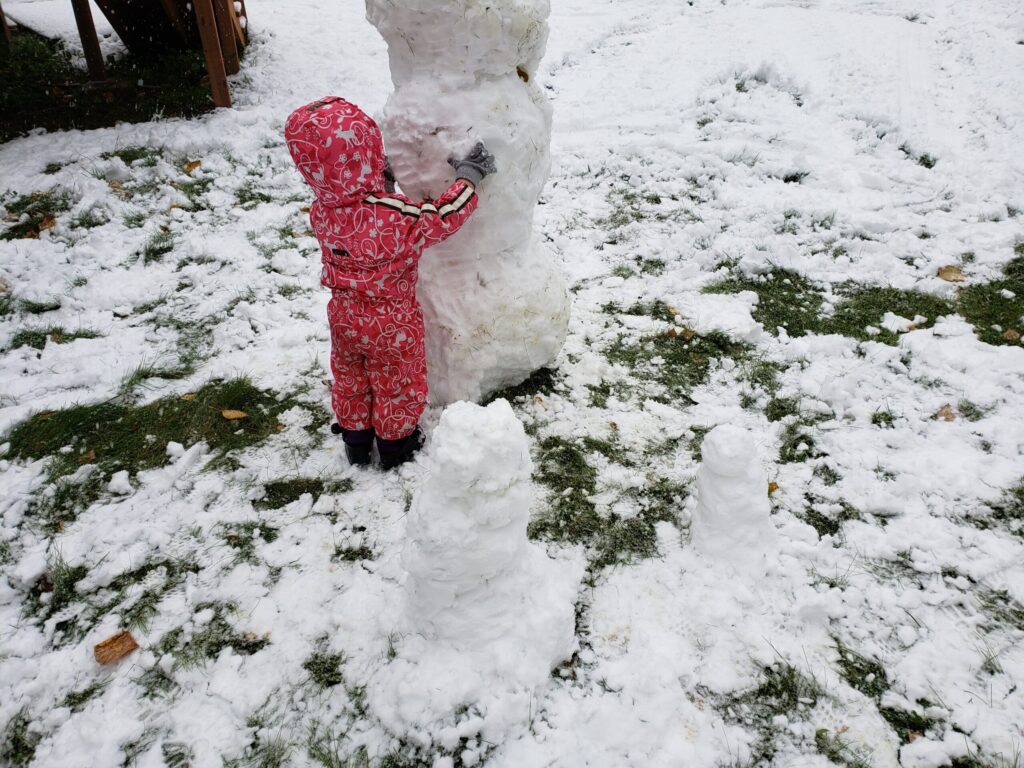
I cut foam board under the windows with “help” from my toddlers, who believed all scraps of insulation made excellent hats. We finished just in time, because two days later it snowed. Fall lasted exactly one week.
A Stubborn Trench
And with that snow came urgency. The electrical conduit had to get buried before the ground froze solid, or we’d be stuck for the winter. Renting an excavator wasn’t in the budget, so I grabbed a pickaxe and shovel and got to work.
I like to think of myself as a strong, independent Alaskan—I mean, I could have kept swinging that pickaxe through frozen gravel for three more weeks. But the truth is, after three days of digging I’d only managed ten feet of trench, and there were ninety still to go.
And the mercury was dropping faster than the leaves fell from the trees here in Alaska. My shoulders ached, the gravel driveway fought me every inch, and I started to wonder if my “sweat equity” was just freezing on my brow instead of getting the trench dug.
An Unexpected Gift
That’s when the gift came. My new neighbor was having a septic system installed, and when I offered the crew a few hundred bucks to trench for me before they loaded the excavator up at the end of their job, they waved it off.
“Keep your money for the build,” they said. “We’ll get it done.”
They even agreed to backfill if I could get my conduit glued up that night.
So there I was, headlamp on, piecing together schedule 40 with cold fingers, double-checking the minimum temperature the glue could cure in. We were right on the edge of that. By the time I crawled inside, exhausted, I had a hundred feet of conduit laid and glued, and I prayed it would set.
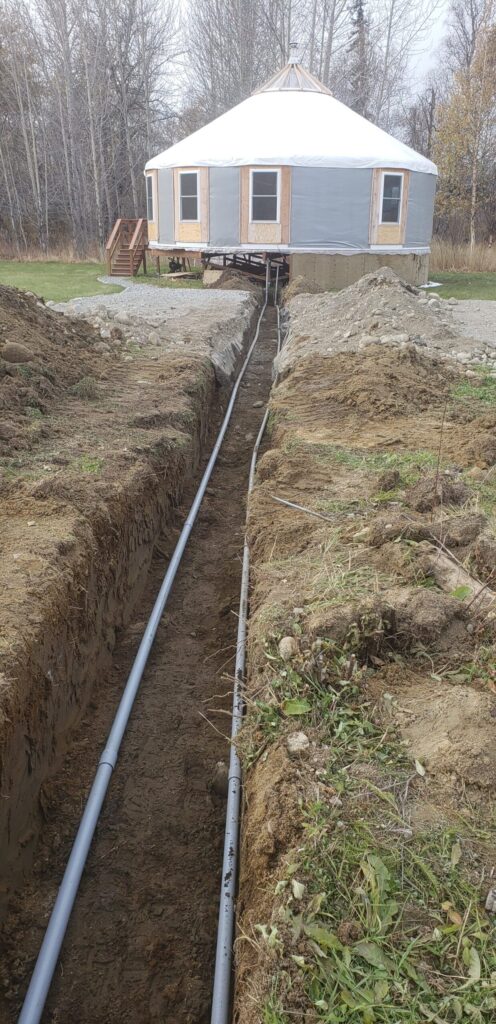
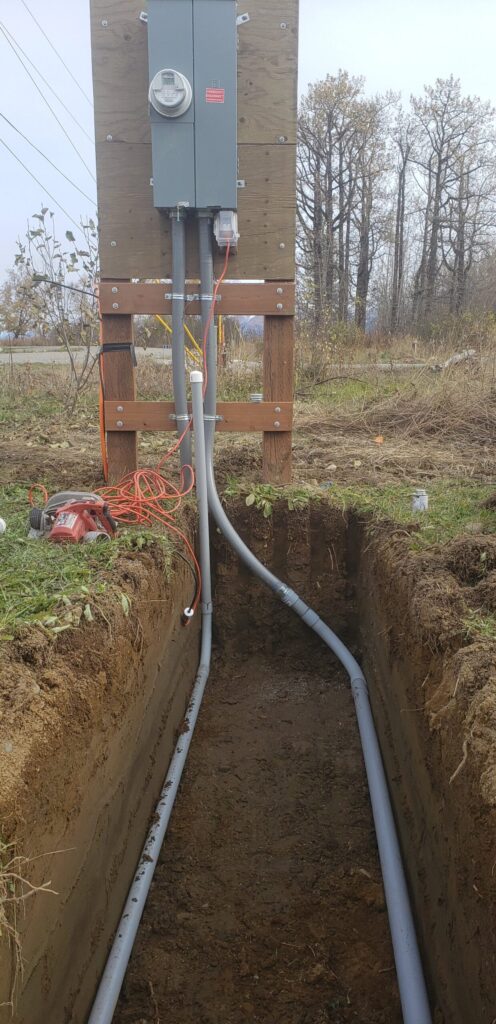
The next day, my family stood in the chill morning air sipping tea while the kids watched the giant machine with wide-eyed fascination. For a moment, I felt like I could’ve been a union foreman—leaning on my shovel, watching the work get done.
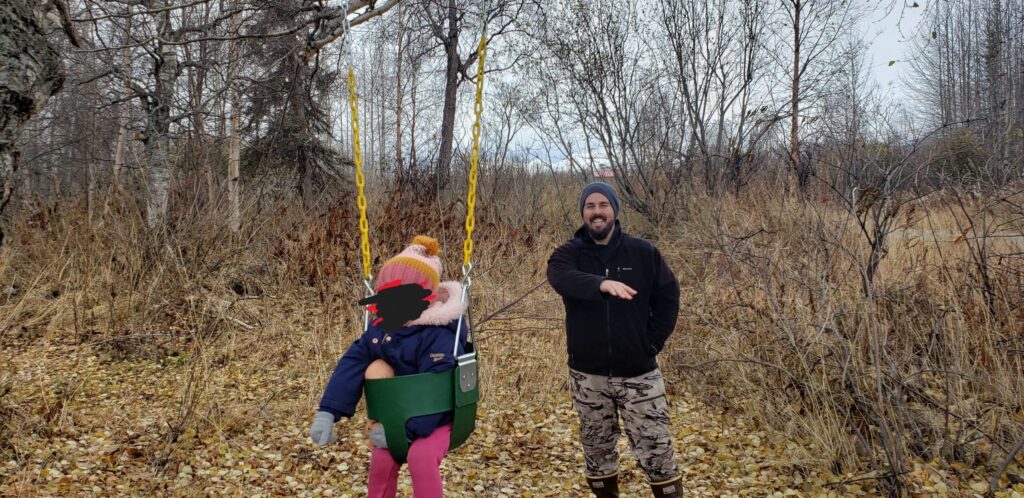
But instead, we got to have some time to play with the kids: we swung on the swings, sipped our tea, and marveled together as a 20-ton excavator finished a job that would have taken me well over a week in no time at all.
The Lesson
And that’s when it hit me: You can dig for days, but sometimes the gift is letting someone else run the excavator.
Self-sufficiency is much better than self-reliance. Out here, you have to be capable: to work hard, take responsibility, and do the difficult things with your own two hands. That’s self-sufficiency. But self-reliance is something different. It whispers that you can do it all alone, that you don’t need anyone else, that receiving provision is weakness. That’s a trap.
And as for the trench? The excavator wasn’t just a neighborly favor—it was gracious. They didn’t have to do it. I was even willing to pay for the work. It was a gift, plain and simple.
So yes, I want my kids to know how to work hard. But more than that, I want them to know that true strength isn’t white-knuckling life alone—it’s having the humility to receive help with gratitude.
On the Yurtstead, sometimes that means putting down the pickaxe and celebrating the gift of someone else running the excavator.
Great story of God’s provision, on time every time not early or late. Pray for you and your family..❤️❤️❤️❤️❤️
Another fun installment. I do love this neighborhood.